
- Call Us
- +91 8390474493
- Email Address
- drrupalb@gmail.com
- Address
- Opposite BYK College, College Road
Besides Fasttrack Showroom, Nashik.
Postpartum depression can affect a mother's emotions, making it challenging to bond with the baby and enjoy the experience of motherhood. This can sometimes extend to breastfeeding. Mothers with PPD might find it difficult to feel connected to their baby while breastfeeding, and they may experience negative emotions during these moments.
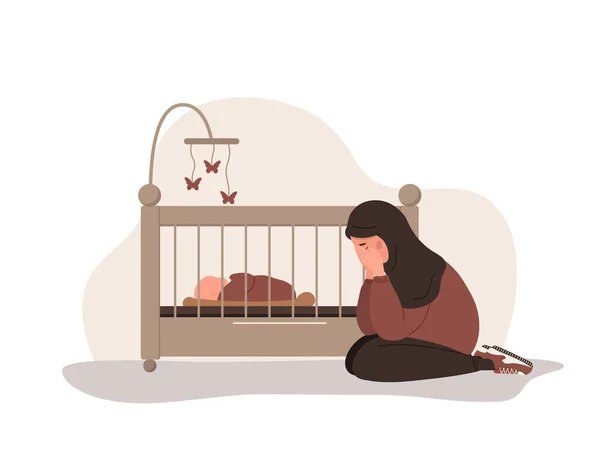
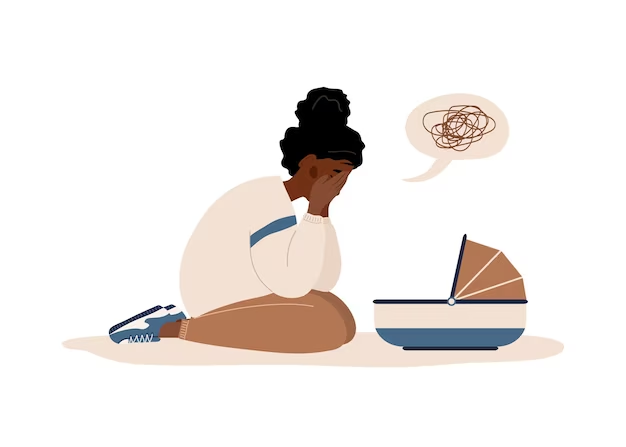
There can be societal and personal pressures for mothers to breastfeed, which can lead to additional stress for those already dealing with postpartum depression. The pressure to breastfeed exclusively and the stress of not being able to meet these expectations can exacerbate feelings of inadequacy and contribute to the depression.
"
Hormonal changes after childbirth can impact mood and emotions. Breastfeeding releases hormones such as oxytocin (the "bonding hormone"), which can have positive effects on mood. However, hormonal fluctuations can also be associated with mood swings, and these fluctuations can influence the emotional experience of breastfeeding for mothers with PPD.
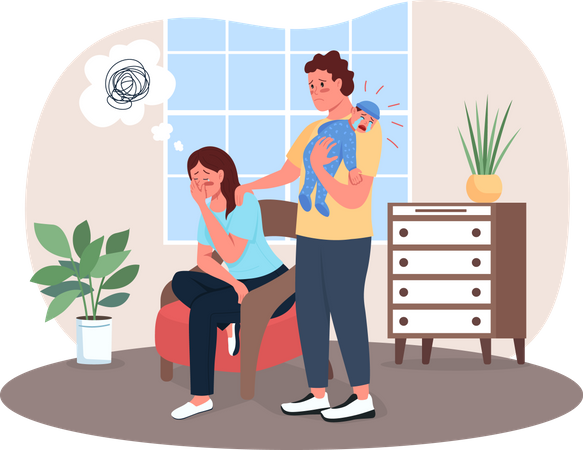

Treatment for postpartum depression might involve various approaches, including therapy, medication, lifestyle changes, and support from loved ones. In some cases, decisions about breastfeeding might need to be made in the context of treatment. For instance, some medications used to treat PPD might pass into breast milk, and healthcare providers will need to weigh the benefits and risks.